|
|
|
Chair
Hubert Bauer
LABOKLIN
Bad Kissingen, Germany

Term of service (2nd, 2023-2027)
2009 Graduate in Biology (Diplom-Biologe) Julius-Maximilian Universität Würzburg
2014 Scientific assistance Julius-Maximilian Universität Würzburg
2014-Present Molecular biology department LABOKLIN
Main species: dog, horse, and cat
Fields: parentage, forensics, and genetic diversity
Co-Chair
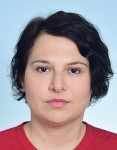
Minja Zorc
University of Ljubljana, Biotechnical Faculty
Ljubljana, Slovenia
Term of service (1st, 2025-2029)
Member
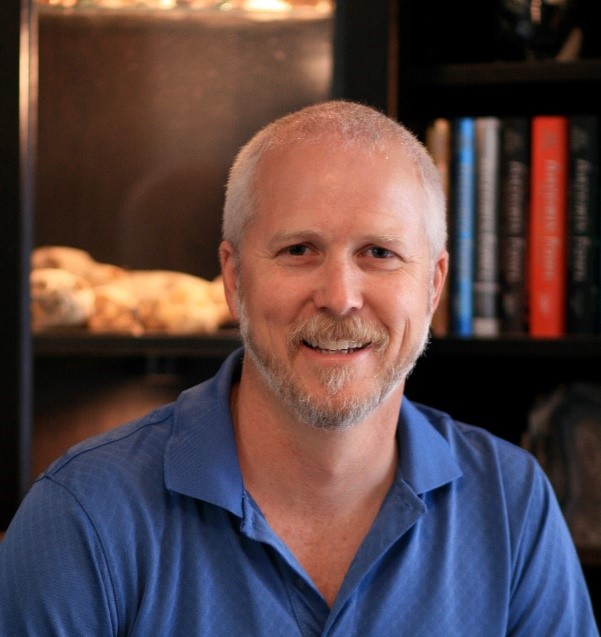
Robert Grahn
University of California-Veterinary Genetics Laboratory
Davis, CA United States
Term of service (2nd, 2023-2027)
Dr. Grahn received his bachelor’s degree in zoology from the University of California, Davis. He completed his doctoral training in biology from the University of Idaho, Moscow, where he studied the molecular systematics of South American rodents using retrotransposable elements. After the completion of his Ph.D., Dr. Grahn returned to UC Davis and spent 14 years investigating inherited genetic diseases and expanding available forensic resources for domestic cats with Dr. Leslie Lyons. In 2013, Dr. Grahn joined the Veterinary Genetics Laboratory in order to expand the portfolio of available genetic tests in domesticated mammalian species. In 2019, he was appointed as the Associate Director of Service and Test Development at the VGL, managing the commercial testing units while continuing to actively participate in research of inherited genetic diseases across domesticated species. Additionally, as either a forensic analyst or technical reviewer, Dr. Grahn has participated in over 200 criminal cases involving domestic animals and was recently appointed as the Associate Director of the VGL Forensics Unit.
Ex Officio
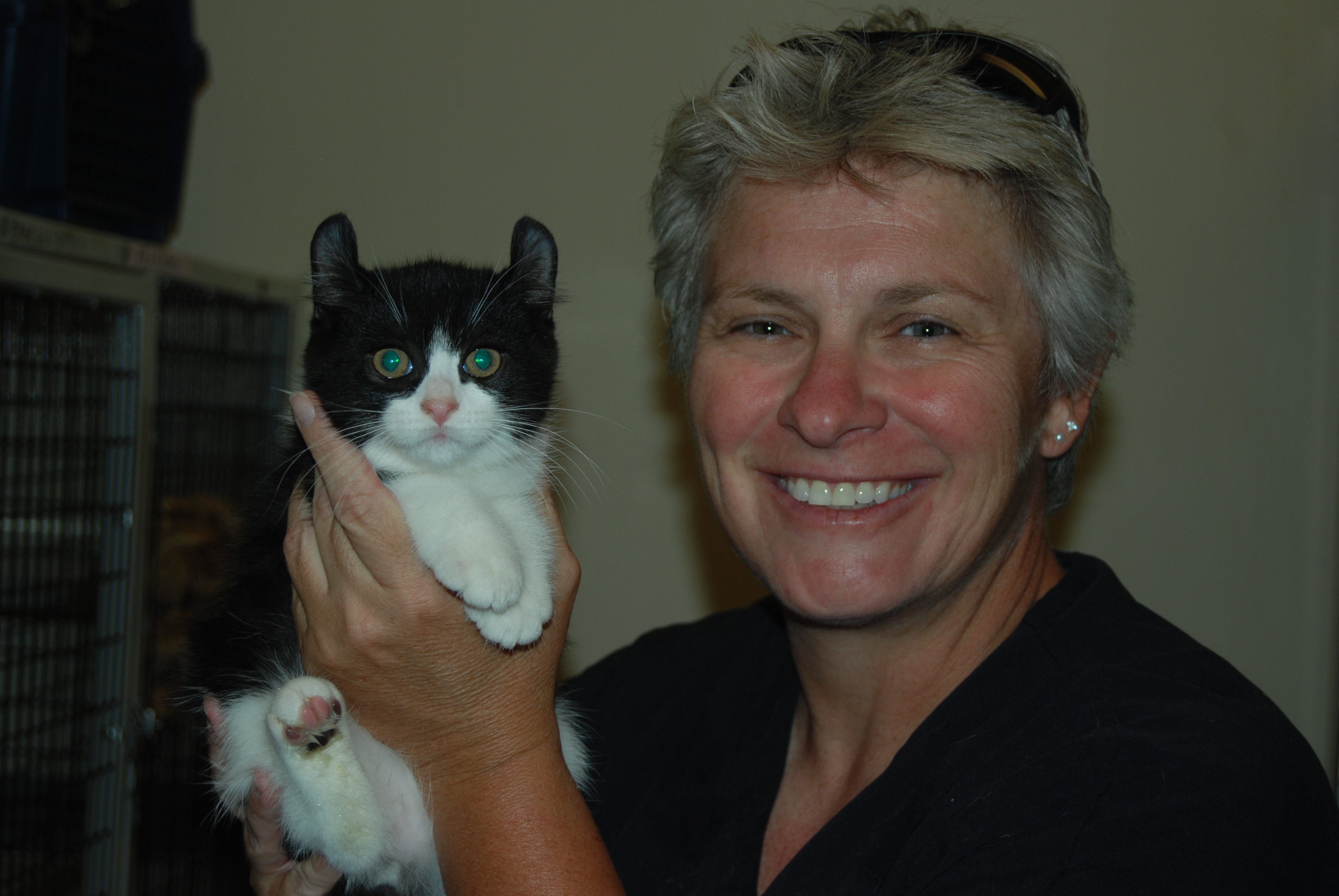
Leslie Lyons
University of Missouri - Columbia, College of Veterinary Medicine
Columbia, MO United States
Term of service (Ex Officio)
Dr. Leslie Lyons was trained in human genetics at the University of Pittsburgh and her postdoctoral fellowship focused on developing genetic resources for comparative gene mapping across mammalian species while at the National Cancer Institute. Her research is currently primarily focused on heritable diseases and traits and the population dynamics of the domestic cat. Specific diseases remain of high priority, including polycystic kidney disease (PKD), skin abnormalities, structural defects, and heritable blindness. Her early studies involved assisted reproduction to produce F1 and backcross cats between domestics and Asian leopard cats (Prionailurus bengalensis) and she continues to work with theriogenologists to preserve the biomedical model through gamete cryopreservation. Dr. Lyons has also supported the community by providing DNA studies for the first cloned domestic cat, wildcat, and Sand Cat, and the GFP transgenic cat. Her laboratory has identified nearly 50 mutations in over 20 genes including many diseases, several coat colors, several fur types, and cat AB / B blood type. Her work on phenotypic traits has helped cat breeders become more efficient with their breeding programs, leading to improved feline welfare. Studies in cat population genetics have defined the genetic relationship of the breeds and the distinction of random bred cat populations, supporting the Near East as the major domestication site of the cat. Studies in ancient DNA of mummified cats suggested modern cats of Egypt are descendants of the cats of the pharaohs. Dr. Lyons launched the 99 Lives Cat Genome Sequencing Initiative – an effort to have deep coverage sequencing of cats with inherited diseases and as a DNA variant resource for the community. She continues to the development of needed genomic resources for the cat, including DNA panels for cat identification and parentage, the 63K DNA array for the cat, a new high-density array, exome capture arrays and new cat genome assemblies. The Geoffroy’s cat and Asian Leopard cats produced as a gene mapping resources have now been used to produced haploid-based phased genome assemblies of all three species, including the new reference assemble for the domestic cat. Dr. Lyons has 3 patents and over 195 peer-reviewed publications, including several in forensic journals. One recent work demonstrated Precision Medicine in domestic cats. Her work on cat population genetics was developed into a National Geographic Explorer episode “The Science of Cats” and she has worked with the BBC on several cat television productions, including most recently “Cat Tales”.
Dr. Lyons has been a member of ISAG for over 25 years and supported the introduction of genomics and applied genetics for cats into the ISAG workshops. She has been a long-standing member and chair of Applied Genetics in Companion Animals workshop and now an honorary member. Currently she is a member of the Forensics workshop and is helping to develop a new workshop focused on the standardization of genetic testing in animals. She has strong interactions with commercial animal genetic testing laboratories as many of her tests are offered to the cat breeding community. Via cat genetic tests, several genetic diseases in cats are now near eradication, including the once very common polycystic kidney disease and blindness in Persians, hypokalemia in Burmese, “spasticity” in Devon Rex / Sphynx and blindness in Bengal cats. She routinely publishes in the society journal, Animal Genetics, and looks forward to developing new ideas to improve and expand the journal and the overall animal genetics society. Dr. Lyons is also a member of the organizing committee and the Cat and Dog genetics sessions for the Plant and Animal Genomics (PAG) meeting.
Member
Kai Poggemann
Certagen GmbH
Rheinbach, Germany
Term of service (1st, 2025-2029)
Member
Joseph Ryan Ferretti
Neogen
Lincoln, NE United States
Term of service (1st, 2025-2029)
Member
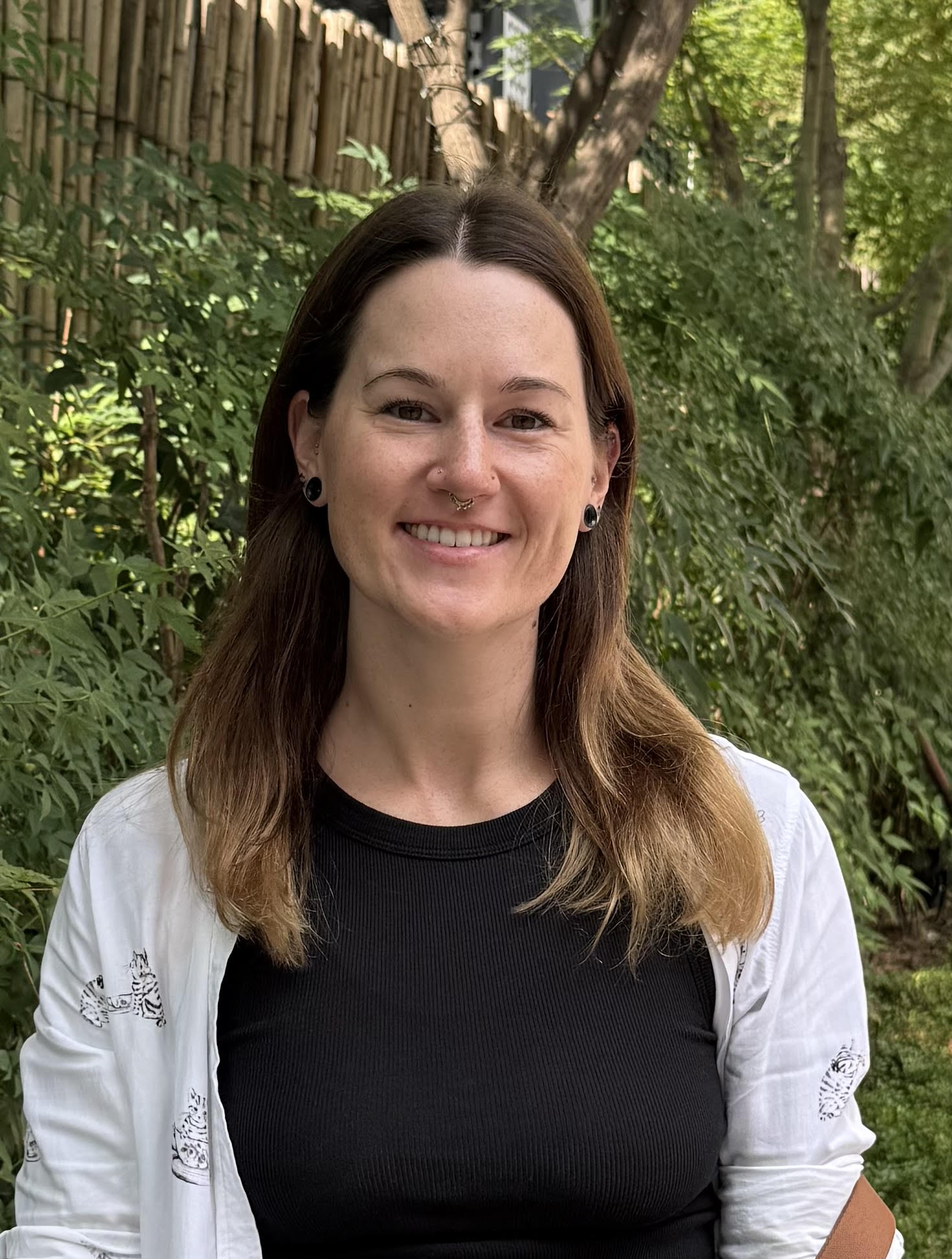
Allyson Stokes
BioPet Laboratories
Knoxville, TN United States
Term of service (1st, 2025-2029)
Allyson Stokes received her BS in animal science from the University of Tennessee (Knoxville, TN) in 2022 and her MS in 2024 from the University of Tennessee, with a focus on reproductive physiology and genomics. Stokes joined BioPet Laboratories (Knoxville, TN) in August 2024 as a DNA analyst and is currently the coleader of the laboratory’s Genotyping and Next Generation Sequencing team.
|
|
