|
|
|
Chair
Lior David
The Hebrew University of Jerusalem
Rehovot, Israel
Term of service (3rd, 2025-2029)
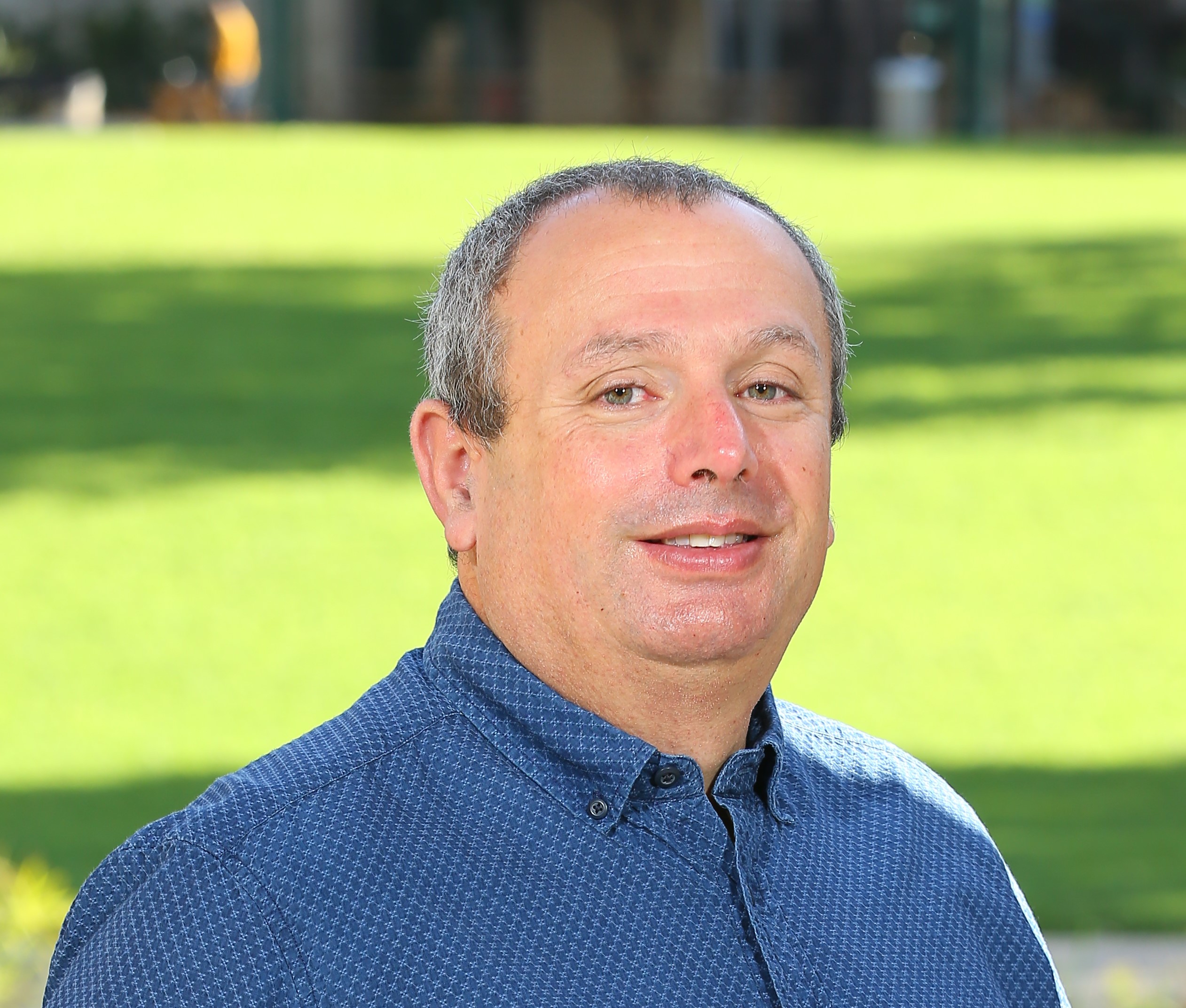
Professor Lior David received his BSc. in Animal Sciences and his PhD in Genetics from the Hebrew University of Jerusalem, Israel. He did his postdoctoral studies at Stanford University School of Medicine on yeast genomics. Since 2006, he leads his own research group, studying various aspect of fish genetics and evolution. Over the years, his group used selective breeding to develop common carp strains, which are genetically resistant to a viral disease caused by CyHV-3 that inflicts serious damages to carp production worldwide. Using the genetically disease-resistant and susceptible carp lines developed, his group studies genetics of disease-resistance and functions of fish immune system. In addition, Prof. David studies the genetics and evolution of sex-determination in different fish species, including Flathead grey mullet, Striped bass, White bass and various Carps. Together with his interest in how genetic sex-determination evolves, which fish are great models for, he applies this knowledge to the benefit of aquaculture production, for instance, by developing an improved grey mullet brood fish producing all-female progenies. Prof. David is also studying the genetic variation in natural fish populations to understand how fish adapt to environmental changes and how to manage and conserve natural fish populations.
Co-Chair
Maria Saura
Institute of Marine Research (IIM-CSIC)
Vigo, Spain
Term of service (3rd, 2023-2027)
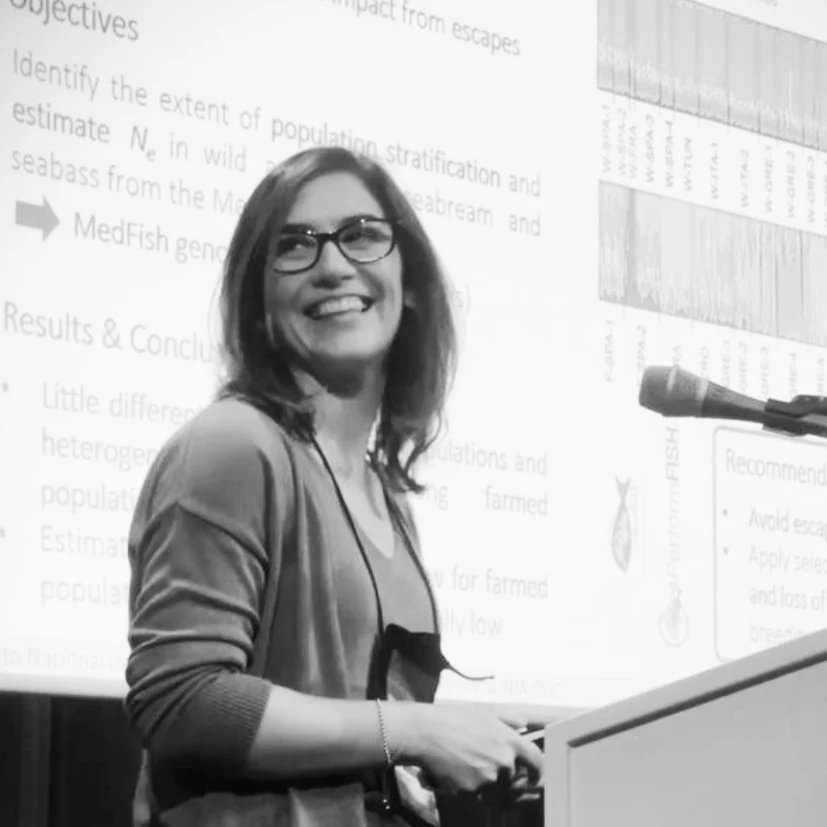
María Saura is a tenured scientist at the Institute of Marine Research (IIM) of the Spanish National Research Council (CSIC, Vigo, Spain), with more than 20 years of experience in quantitative and population genetics applied to aquaculture and conservation of genetic resources. She currently serves as deputy research director at IIM-CSIC in Vigo and leads the Biotechnology and Aquaculture Group. Her research focuses on understanding the genetic mechanisms underlying phenotypic variation, with particular interest in the theoretical foundations of inbreeding and effective population size, as well as in the development of selective breeding programs to improve complex traits in aquaculture, including disease resistance (FISHBOOST FP7 project). In recent years, she has also incorporated the study of the microbiome as a contributing factor to phenotypic variability. She currently leads a case study for improving thermal tolerance in farmed rainbow trout within the OCCAM Horizon Europe IA. In addition, she conducts research in conservation genetics, with ongoing projects examining genetic differentiation, inbreeding depression, and effective population size in populations of common octopus, hake, and Atlantic salmon, as well as in livestock species such as sheep and the Iberian pig. Her work integrates classical quantitative genetics theory with large-scale omic data, contributing to the development of sustainable selective breeding and genetic management strategies to enhance the resilience and productivity of farming systems while supporting the preservation of genetic diversity in wild populations.
Member
Jason Abernathy
USDA-ARS
Auburn, AL United States
Term of service (2nd, 2025-2027)
Member
Sofia Consuegra
Swansea University
Sketty, United Kingdom
Term of service (2nd, 2025-2027)
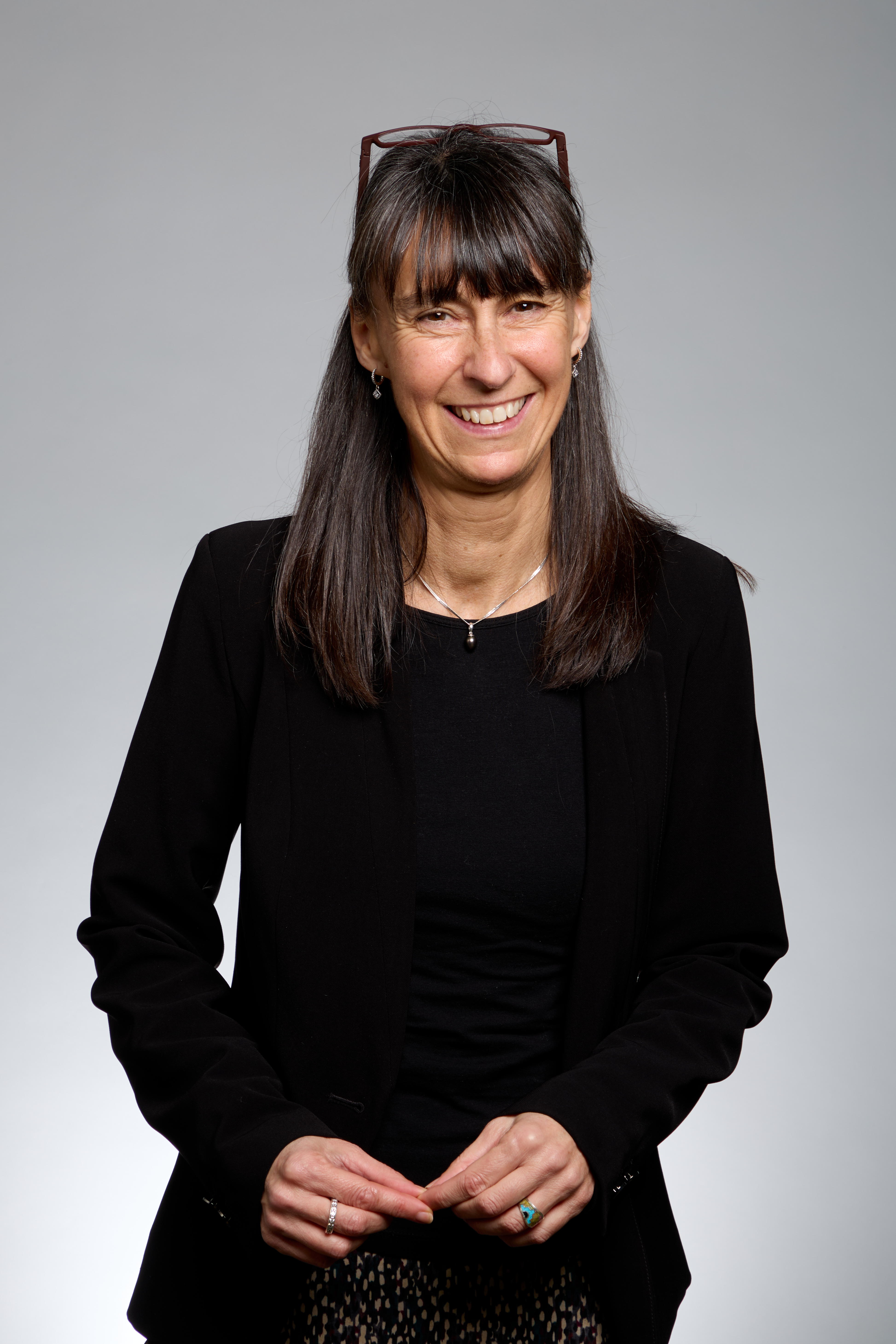
Sofia Consuegra is a professor of evolutionary ecology at Swansea University and a part-time Royal Society Industry Fellow. Consuegra holds a BSc in biology with a specialization in genetics from the University of Oviedo and worked as a scientific advisor for the Cantabrian government in Spain for six years before being awarded a PhD in conservation genetics from the University of Cantabria. She then moved to the United Kingdom and completed postdoctoral work at the Zoological Society of London and the University of St. Andrews before securing her first permanent lectureship at Aberystwyth University. Consuegra has been at Swansea University since 2013, and her current research focuses on molecular ecology and resource management (for fisheries and aquaculture) mainly, but not exclusively, in aquatic organisms. She sits on national and international scientific panels, has published more than 100 peer-reviewed papers since obtaining her PhD, and has secured more than £10M in research funding over the last 10 years as primary investigator and coinvestigator.
Member
Diego Robledo
University of Edinburgh
Edinburgh, United Kingdom
Term of service (2nd, 2025-2027)
Member
THENDO TSHILATE
University of South Africa
Johannesburg, South Africa
Term of service (1st, 2025-2027)
|
|
